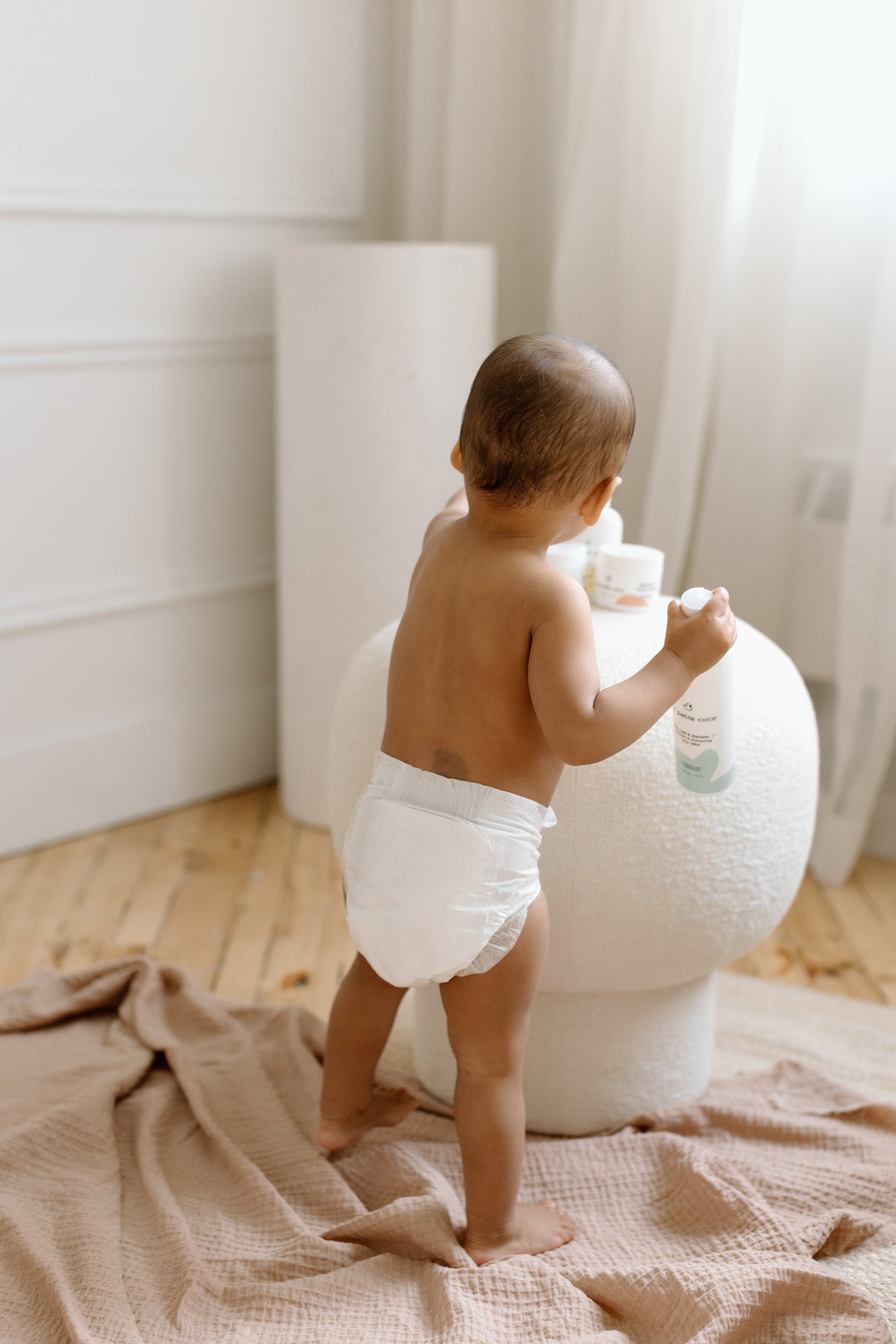
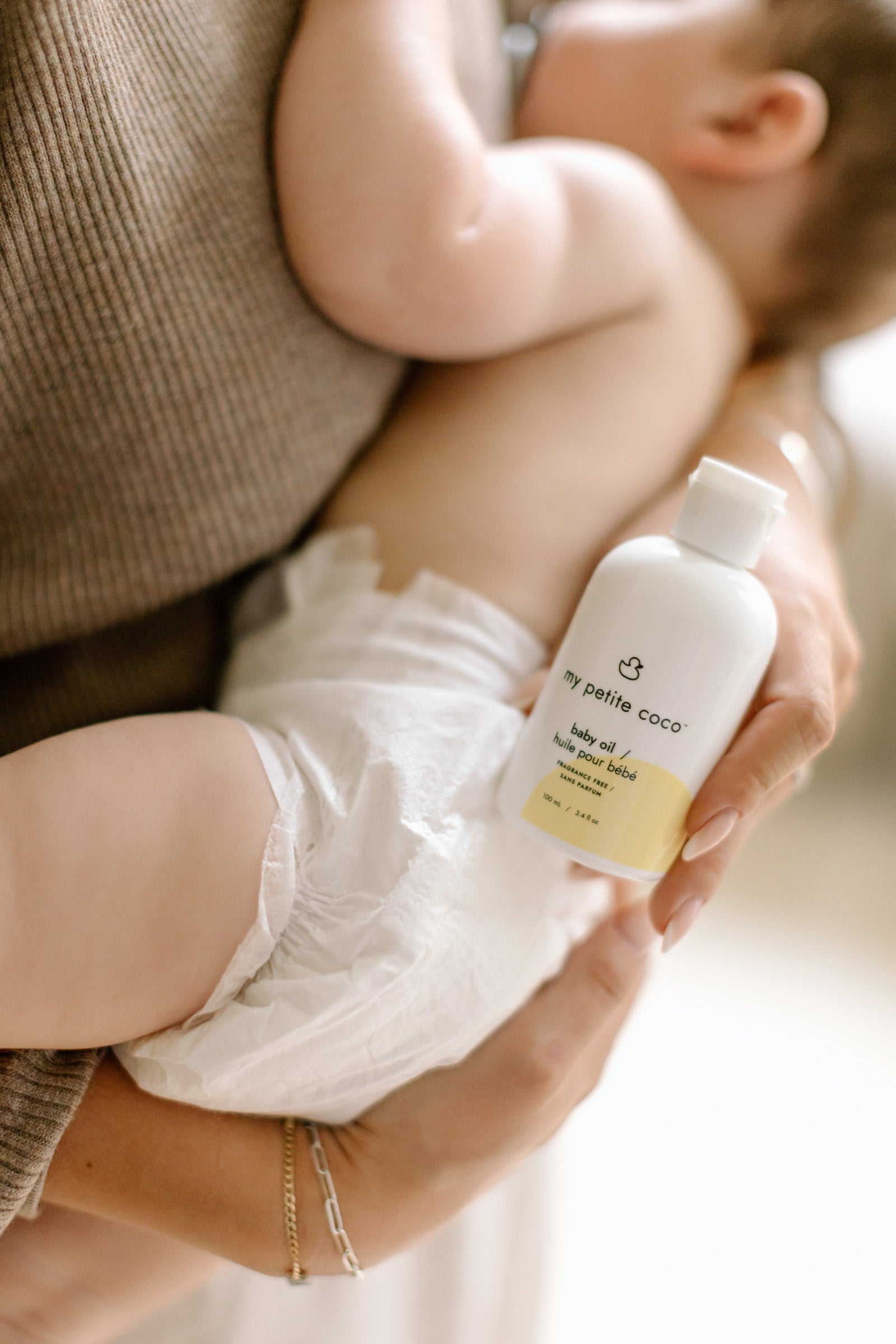
What Inclusive Baby Skincare Actually Looks Like
Baby skincare is often described as simple. But for many families, it doesn’t feel that way.
This is something Dr. Erica noticed early on, both in her practice and in her own experience as a mother.
Products were labelled as gentle, but they didn’t always hold up the way you’d expect. What worked well for one baby didn’t always work for another, and when it didn’t, it showed up quickly. Dryness that kept coming back, irritation that didn’t fully settle, or skin that just didn’t seem comfortable.
A lot of baby skincare is built around a narrow idea of what baby skin should look and feel like. And when products are created from that starting point, they can miss the mark for babies who don’t fit neatly into that definition.
The reality is that baby skin is still developing, and no two babies move through that process in the same way. Some are more reactive. Some need more consistent moisture. Some are more sensitive to fragrance or certain ingredients, even when those ingredients are described as natural.
Through both her practice and her own experience, Dr. Erica also saw something that wasn’t being talked about enough. Many baby products weren’t made with all babies in mind.
What Inclusive Baby Skincare Really Means
Inclusive baby skincare starts with a shift in perspective.
Instead of asking, “Will this work for most babies?” the question becomes, “Will this support the babies who need the most care?”
That means formulating with sensitive, reactive, and higher-moisture-needs skin in mind from the very beginning. Because when those babies are properly supported, the same products tend to work more effectively for everyone else too.
In practice, this often looks simpler, but far more intentional.
Fewer ingredients, chosen carefully. No added fragrance, even when it’s natural, because of how often it can trigger irritation. A stronger focus on supporting the skin barrier, rather than constantly trying to fix problems after they appear.
It also means paying attention to how a product actually feels to use. Texture matters. Absorption matters. If something is too heavy, too greasy, or takes too long to work into the skin, it affects whether it’s used consistently. And consistency is what actually makes a difference over time.
It Goes Beyond Skin
Inclusive baby skincare isn’t only about skin types. It’s also about families.
Every family approaches care a little differently. Culture, lived experience, and even past experiences with skincare all shape what parents are looking for.
For some, it’s about keeping things simple. For others, it’s about avoiding certain ingredients. For many, it’s about finding something they can trust in a space that often feels overwhelming.
Dr. Erica built My Petite Coco with that in mind from the start. Not as something to layer in later, but as part of how decisions were made from day one.
A More Thoughtful Way to Care for Baby Skin
More parents are starting to move away from complicated routines and toward something more considered.
Not more products, but better ones.
Products that support the skin consistently, feel good to use, and don’t leave you second-guessing every ingredient or reaction. Because when something becomes part of your baby’s daily routine, it needs to feel reliable. That trust is built over time, through how the skin actually responds.
The Standard Behind My Petite Coco
Inclusive baby skincare doesn’t try to be everything. It creates space.
For different skin types. For different needs. For every family to feel considered in the care they’re choosing.
And when that becomes the starting point, everything else becomes simpler, more supportive, and more aligned with what baby care should be.
That’s the standard My Petite Coco was built on.
Not one version of “normal” baby skin, but the understanding that every baby is different and deserves care that reflects that.

Written by My Petite Coco